

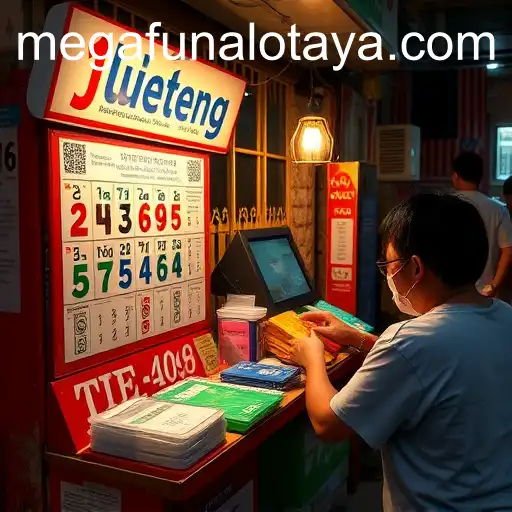

In the Philippines, gambling is a diverse spectrum with numerous forms and practices embedded within its rich cultural tapestry. Among these forms, jueteng stands out, both for its popularity and its controversy. As an informal lottery akin to a numbers game, jueteng pervades various communities across the country, bringing both economic opportunities and societal challenges.
Jueteng traces its origins back to the Spanish colonial era and derives its name from the Spanish word "juego" (game) and the Chinese "teng." Historically, it has been seen as more than just a game of chance; it's part of the socio-cultural fabric of many Filipino communities. To understand jueteng, it is essential to grasp how it operates. The game involves bettors selecting a combination of numbers from one to thirty-seven, which are then drawn twice daily, offering winners a payout significantly higher than the local minimum wage. Its simplicity and accessibility make it a cornerstone of casual gambling, entrenched firmly in the daily rhythms of life for many Filipinos.
The perennial popularity of jueteng can be attributed to several factors. Economically, it provides an informal source of income not just to those placing bets but also to the operators and personnel involved in its distribution. However, its informal nature also poses questions about legality and morality. While jueteng might bring some financial relief, it often becomes a vehicle for larger issues, such as corruption and crime.
Local politics and jueteng have a complicated relationship. Allegations frequently surface that politicians and law enforcement agencies collude with operators to ensure its continuance, blurring the lines between governance and opportunity. Despite these allegations, many officials publicly denounce jueteng due to its illegality under the country's gambling laws.
Jueteng thrives in a grey area of legality, continuously dodging regulations, leading to a broad spectrum of societal debates. The prevalent argument against jueteng focuses not on the act of gambling itself but on associated criminal activities. Critics cite the entrenchment of corruption, claiming that syndicates profit more than the local communities they serve. Furthermore, the risk of addiction poses significant personal and societal costs.
Despite efforts to curb its influence, jueteng remains widely practiced. Government initiatives to replace it with legal alternatives like the Philippine Charity Sweepstakes Office's (PCSO) Small Town Lottery (STL) have shown limited success. STL's struggle to match jueteng's accessibility and payout rates highlights the deep-rooted challenges in regulating gambling.
Jueteng is not merely a gambling issue; it intertwines deeply with cultural and traditional aspects of daily life. For many communities, it's a social activity, a reason for gathering and sharing experiences. Generations have participated in and benefitted from jueteng, creating familial traditions that resist eradication. Altering such a deeply ingrained practice requires understanding, respect, and gradual cultural shifts.
As technology progresses, so does the landscape of gambling, including jueteng. Today, the game finds representation in digital and online platforms that further complicate attempts at regulation. While these technological adaptations offer greater anonymity and convenience, they also elevate concerns about cybersecurity and gambling addiction. The transition from physical to digital needs careful monitoring to protect vulnerable individuals from exploitation.
The ongoing existence of jueteng showcases the resilience of informal gambling against regulatory challenges. Addressing the complexities of jueteng involves more than clamping down on illegal practices; it requires a nuanced approach that reconciles economic, cultural, and social dimensions. As thrusts to modernize and regulate these practices continue, the role of educational programs becomes indispensable.
These programs should focus not only on raising awareness about the negative impacts of gambling but also on providing alternative livelihood options. The goal must be to alleviate the economic pressures that drive individuals and communities towards informal gambling. Empowering communities could not only reduce the need for reliance on gambling but also foster a more sustainable economic environment.
Jueteng, with its deep-seated cultural roots and widespread economic implications, remains an ongoing challenge for the Philippines. While efforts persist to curb its influence and integrate legal alternatives, its enduring popularity underscores a resistance that goes beyond mere gambling laws. Tackling the jueteng phenomenon requires understanding its complex cultural underpinnings and addressing the socio-economic factors that perpetuate its existence.

Dive into the enthralling world of CursedCanBonusBuy, a game that promises boundless excitement and endless entertainment with its innovative megaFUNalo feature.

Dive into the captivating realm of MadHitMarlinBonanza, where excitement meets innovation, and discover how the megaFUNalo keyword enhances your gaming experience.

Dive into the exhilarating realm of HotVolcanoBonusBuy; your ultimate gaming experience with MegaFUNalo features.

Explore the captivating world of GoodFortuneM, where the dynamic gameplay meets the vibrant energy of the megaFUNalo feature.

Explore the fascinating realm of TenTonWaysGoldfish, the latest gaming sensation that combines captivating gameplay with the buzzword megaFUNalo for an unforgettable experience.

Explore the dynamic game of PenaltySeries and discover how megaFUNalo revolutionizes the playing experience with its unique features and rules.
